

Aural
Listening, vision and origin of the project
The Estate
Landscape, altitude and identity of Mount Amiata
The Territory
Mount Amiata. A complex system.
Rosina dell’Amiata
Freshness and precision
Seggianello
Structure and depth
Olive Oil
Olivastra Seggianese, purity and precision
About us
Experience and expertise serving the project
Contacts
Download Press Kit
IT
Aural
Soil is not a support. It is the origin.
Listening as a method
AURAL is an approach based on listening. The name derives from “auris”, the ear, and refers to an attentive disposition toward the territory, time, and natural signals that guide every choice. It is not an abstract principle, but an operational method that directs agricultural work and production decisions, avoiding forcing and adapting to the specific conditions of the place. A viticultural project on Mount Amiata, based on complex soils and low natural fertility. Here the vine grows by adaptation, not excess.
LISTENING MEANS RECOGNIZING THE MOMENT, NOT IMPOSING IT.
Identity
AURAL arises from the encounter between natural conditions and conscious choices. It is not a project built to adapt to the market, but a path that develops from the place, interpreting its characteristics without simplifying them. Every decision—from cultivation to production—is aimed at maintaining coherence between origin and result, avoiding forcing and standardization.
CALCAREOUS SOILS, LIMITED NUTRIENTS, UNSTABLE BALANCE.
CONDITIONS THAT REDUCE YIELD AND CONCENTRATE ENERGY.
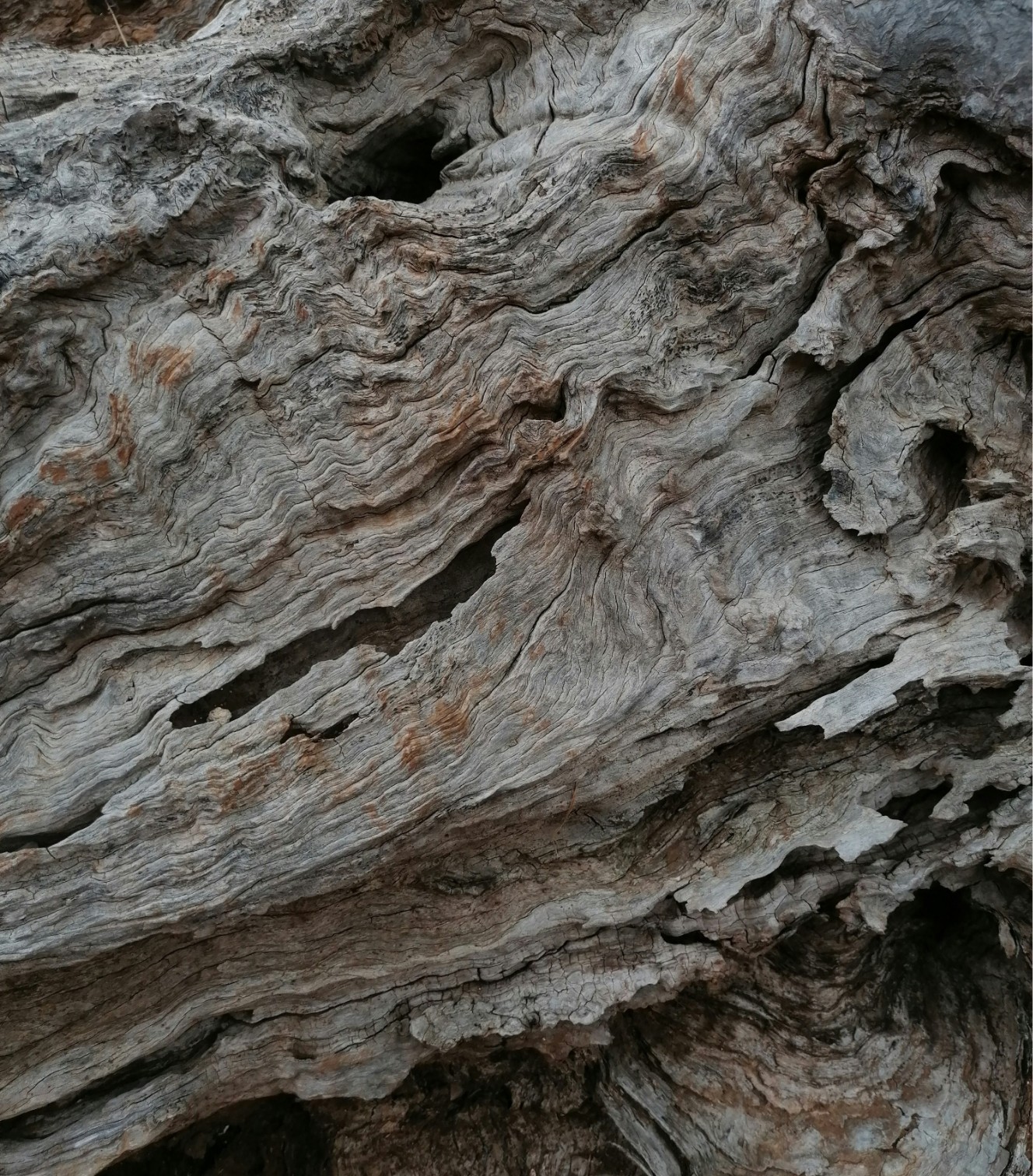
Agronomy as direction
The seasons unfold with extended timing, light varies slowly and each phase of the vegetative cycle finds its own balance. To intervene means recognizing the right moment, without anticipating or accelerating, allowing the process to follow a natural progression. In AURAL every intervention is calibrated on soil and plant: rootstock selection; targeted nutritional management; non-invasive practices.
ON MOUNT AMIATA CULTIVATION REQUIRES MEASURE AND PATIENCE. IT IS NOT ABOUT CORRECTING, IT IS ABOUT INTERPRETING.
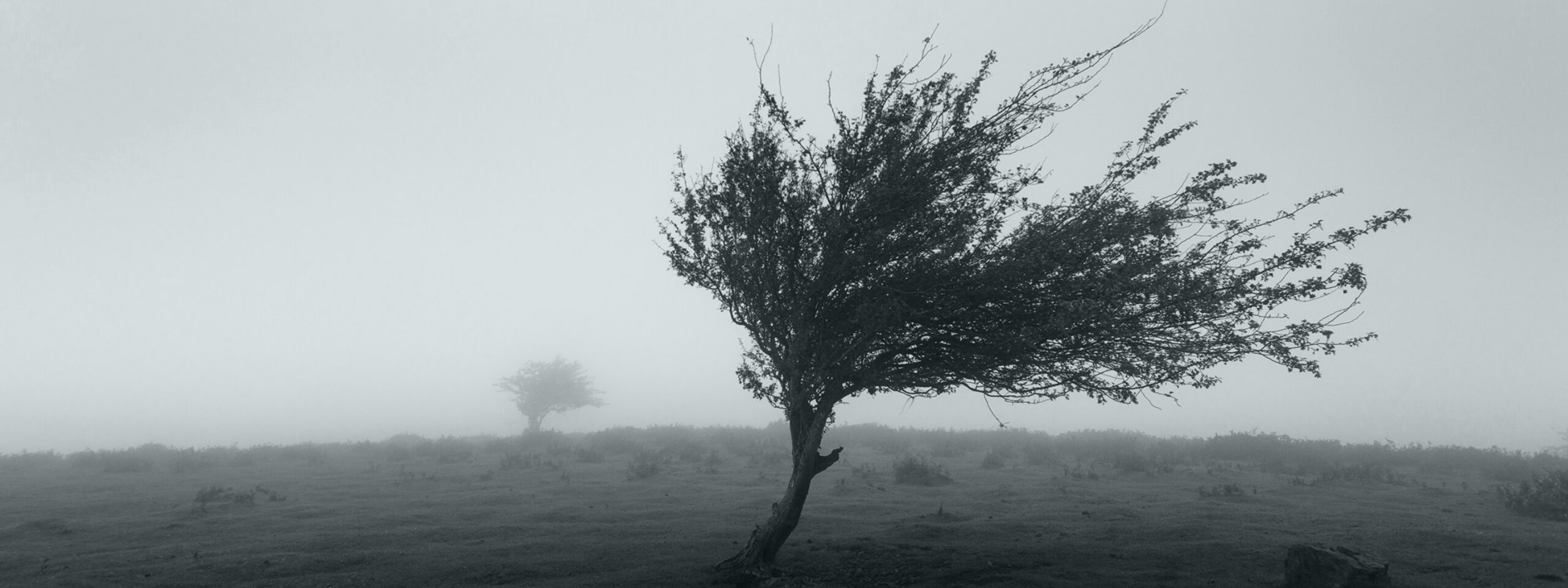
Wind as an active factor
Air currents rising from the sea cross the slopes of Amiata, regulate the microclimate and contribute to the health and balance of grapes and olives. This often invisible element is an integral part of the project: a discreet but decisive factor connecting land and atmosphere and defining the conditions in which work takes shape.